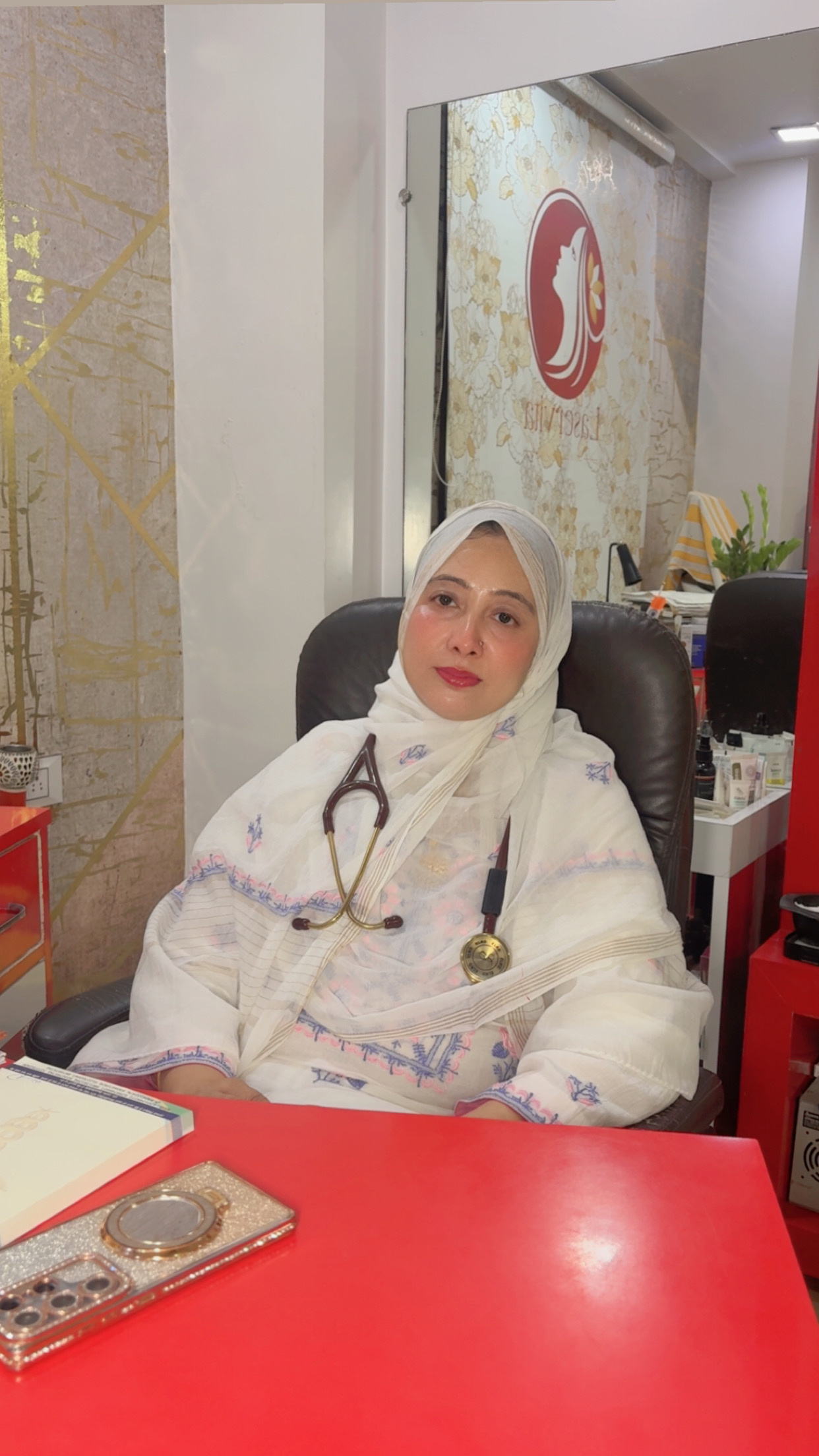
 Dr. Farheen Jamal
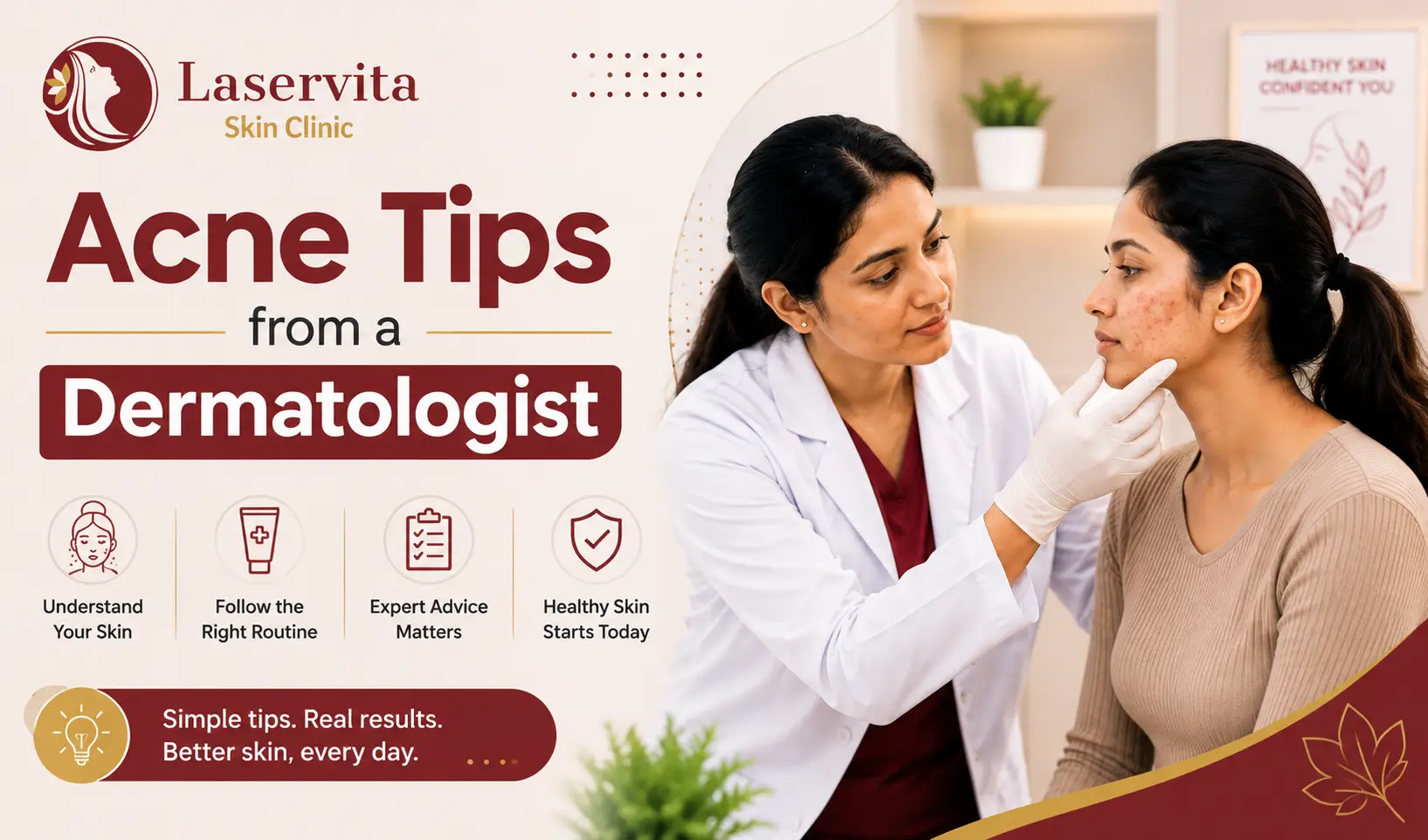
Acne is one of the most common skin concerns affecting teenagers and adults. Pimples, blackheads, whiteheads, painful bumps and recurring breakouts can affect the face, chest and back. If acne keeps returning or does not improve with regular skincare, professional acne treatment in Patna can help identify the type and severity of acne and guide you toward an appropriate treatment plan.
Acne is not simply caused by poor hygiene. Excess oil production, clogged pores, inflammation, hormonal changes and other individual factors can contribute to breakouts. The Indian Association of Dermatologists, Venereologists & Leprologists (IADVL) provides patient information about acne, its causes and treatment.
At Laservita Skin Clinic in Patna, acne concerns can be assessed by a dermatologist and treatment can be planned according to the individual's skin condition.

What Is Acne?
Acne is a common inflammatory skin condition that develops when hair follicles become clogged with oil and dead skin cells. It can appear as blackheads, whiteheads, pimples, pustules or deeper painful lesions.
Acne can range from mild occasional breakouts to moderate or severe inflammatory acne. Because every person's skin and acne pattern is different, treatment should be selected according to the type and severity of the condition.
What Causes Acne?
Several factors can contribute to acne development. Common factors include:
- Excess oil or sebum production
- Clogged pores
- Dead skin cell buildup
- Inflammation
- Hormonal changes
- Certain skincare or cosmetic products
- Stress and individual triggers
- Certain medications or medical conditions in some people
Acne is therefore not simply a problem of dirty skin. Excessive washing or harsh scrubbing can irritate the skin and may make acne-prone skin more uncomfortable.
Different Types of Acne
Acne can appear in different forms. Identifying the type of acne is important because treatment may vary according to the individual condition.
Blackheads
Blackheads are open clogged pores. Their dark appearance is related to oxidation of the material inside the pore and does not mean that the skin is dirty.
Whiteheads
Whiteheads are closed clogged pores that appear as small white or skin-coloured bumps.
Inflammatory Pimples
Inflammatory pimples are red, swollen lesions that may become tender or painful.
Pustules
Pustules are inflamed acne lesions containing visible pus. Squeezing or picking them can increase irritation and may increase the risk of post-acne marks.
Nodular Acne
Nodular acne consists of deeper, firm and often painful lesions. Persistent deep acne should be assessed by a dermatologist because it may have a higher risk of leaving permanent scars.

Acne Tips from a Dermatologist
Managing acne requires consistency and the right approach for your skin. The following practical tips can help you avoid common mistakes and support healthier acne-prone skin.
1. Do Not Pick or Squeeze Pimples
One of the most important acne tips is to avoid repeatedly touching, squeezing or picking pimples. Physical pressure can increase inflammation and may contribute to dark marks and acne scarring.
If acne has already left scars, read our guide to best acne scar treatment in Patna.
2. Cleanse Your Skin Gently
Use a gentle cleanser that is suitable for your skin type. Aggressive scrubbing, frequent washing and harsh cleansing products can irritate acne-prone skin.
A clean skin routine does not mean repeatedly washing the face throughout the day. Excessive cleansing can increase dryness or irritation and may affect the skin barrier.
3. Choose Suitable Skincare Products
If you have acne-prone skin, consider skincare and cosmetic products labelled non-comedogenic when appropriate. These products are formulated to be less likely to clog pores.
4. Avoid Unverified Home Remedies
Popular home remedies are not always suitable for acne-prone skin. Ingredients such as lemon juice, toothpaste or abrasive scrubs can cause irritation and may worsen skin sensitivity.
Instead of experimenting with multiple remedies, consult a dermatologist if acne is persistent, painful or worsening.
5. Be Consistent With Your Treatment
Acne treatment generally requires consistency. Frequently switching between different products can irritate the skin and make it difficult to determine which treatment is helping.
Follow the treatment and skincare instructions recommended by your dermatologist and give the skin sufficient time to respond.
6. Use Suitable Sun Protection
Sun exposure can make post-acne pigmentation more noticeable in some individuals. A sunscreen appropriate for your skin type can be an important part of an acne and post-acne skincare routine.
When Should You See a Dermatologist for Acne?
You should consider consulting a dermatologist if:
- Your acne keeps coming back
- You have painful or deep pimples
- Acne is leaving dark marks
- You are developing acne scars
- Over-the-counter products have not helped
- Breakouts are becoming more frequent or severe
- Acne is affecting your confidence or daily life
Professional evaluation is particularly important when acne is persistent, inflammatory or leaving scars. A dermatologist can assess the skin and determine whether medical treatment is appropriate.
Acne Treatment in Patna: What Are the Options?
The appropriate acne treatment in Patna depends on the patient's acne type, severity, skin type and medical history. A dermatologist may recommend topical medicines, oral medicines, skincare or selected professional procedures.
Topical Acne Treatment
Topical treatments are applied directly to affected skin. Depending on the condition, a dermatologist may recommend ingredients such as retinoids, benzoyl peroxide, azelaic acid or other medically appropriate treatments.
Some acne medicines can initially cause dryness or irritation, so they should be introduced according to professional guidance.
Oral Acne Medicines
Moderate or severe acne may require oral medication in selected patients. The choice depends on factors such as acne severity, age, medical history and other individual considerations.
Oral acne medicines should be taken only under the supervision of a qualified medical professional.
Professional Acne Procedures
Some patients may benefit from professional procedures as part of their acne management plan. Depending on the individual's condition, a dermatologist may consider chemical peels or selected laser-based procedures.
Procedural treatments are not suitable for every acne patient. A dermatologist should assess the skin before recommending a procedure.
Acne Treatment for Oily and Acne-Prone Skin
Oily skin can be more prone to clogged pores and breakouts because of increased sebum production. However, aggressively drying the skin is not an effective solution for everyone.
A balanced routine may include gentle cleansing, appropriate moisturization, sunscreen and dermatologist-recommended acne treatment when required.
For additional skin-care concerns, you can explore facial treatment in Patna at Laservita Skin Clinic.
Can Acne Cause Dark Spots?
Yes. Acne can leave behind dark areas after inflammation settles. These marks are commonly associated with post-inflammatory hyperpigmentation.
Acne marks and acne scars are different. Marks mainly involve changes in skin colour, while acne scars involve changes in skin texture or structure.
If you have persistent pigmentation after acne, you can learn more about pigmentation treatment by a dermatologist in Patna.

Can Acne Be Prevented?
Acne cannot always be completely prevented because hormonal, genetic and other factors can contribute to breakouts. However, good skincare habits can help reduce unnecessary irritation.
- Use products suitable for acne-prone skin.
- Avoid touching your face unnecessarily.
- Do not squeeze or pick pimples.
- Remove makeup properly before sleeping.
- Use a suitable sunscreen.
- Maintain a consistent skincare routine.
- Avoid harsh scrubbing.
- Consult a dermatologist if acne becomes persistent or severe.
Does Acne Go Away on Its Own?
Some mild acne may improve over time, but persistent or inflammatory acne should not always be left untreated. Repeated breakouts can result in post-acne pigmentation and, in some cases, permanent acne scars.
Appropriate acne management can help control active breakouts and reduce the risk of long-term skin changes. For additional medically reviewed patient information, visit the IADVL acne information page.
Why Choose Dermatologist-Guided Acne Treatment?
There are many acne products available online and in stores, but not every product is appropriate for every type of acne. Using several active ingredients together can also cause unnecessary irritation.
A dermatologist can examine your acne, determine its severity and consider your skin type, previous treatments and other relevant factors before recommending a treatment plan.
Professional guidance becomes particularly important when acne is painful, persistent, severe or associated with scarring.
Acne Treatment in Patna at Laservita Skin Clinic
Laservita Skin Clinic provides dermatology and skin treatments in Patna. Acne concerns can be assessed to determine an appropriate treatment approach based on the individual's skin condition.
Depending on the patient's needs, acne management may involve medical skincare, topical or oral medicines and selected professional procedures when clinically appropriate.
The focus of treatment is to manage active acne, reduce inflammation and help minimize the risk of post-acne marks and scars.
If acne has already resulted in scarring, you can also explore acne scar surgery treatment in Patna.

Final Thoughts
Acne requires more than simply washing the face or trying different skincare products. Understanding your acne type, following suitable skincare habits and avoiding pimple picking can help support healthier skin.
If you are looking for acne treatment in Patna, consulting a dermatologist can help identify the type and severity of acne and determine an appropriate treatment plan for your skin.
For professional skin evaluation and personalized acne care, consult Laservita Skin Clinic in Patna.
Frequently Asked Questions
There is no single acne treatment that is best for everyone. Treatment depends on acne type, severity, skin type, age, previous treatment and individual medical factors. A dermatologist can recommend the most suitable approach after evaluating your skin.
Acne can often be effectively controlled, but some people may experience recurring breakouts because of hormonal, genetic or other contributing factors. Long-term management may be required in some cases.
Mild acne may sometimes be managed with an appropriate skincare routine, but persistent, painful or severe acne should be evaluated by a dermatologist. Avoid unverified home remedies that may irritate the skin.
Picking or squeezing pimples can increase inflammation and may increase the risk of post-acne marks and scarring. It is better to allow lesions to heal or seek appropriate professional treatment.
Treating active acne can help prevent new marks, but existing post-acne pigmentation may require a separate treatment approach. A dermatologist can determine whether medical skincare, chemical peels, laser-based treatment or another option is appropriate.
Consider seeing a dermatologist if acne is persistent, painful, recurring, leaving dark marks or scars, or not improving with your current skincare routine.
Yes. Moderate to severe inflammatory acne can sometimes leave permanent depressed or raised scars. Early and appropriate acne management may help reduce the risk of long-term scarring.
For professional evaluation, you can consult a qualified dermatologist at Laservita Skin Clinic in Patna. Your dermatologist can assess your acne and recommend a treatment plan based on your individual skin condition.
Related Treatments & Services
Dr. Farheen Jamal
Dermatologist & Skin Specialist
Dr. Farheen Jamal is a dermatologist and skin specialist providing personalized care for pigmentation, melasma, acne, hair and skin concerns. She focuses on individualized diagnosis and evidence-based dermatological treatment tailored to each patient's skin type and condition.