
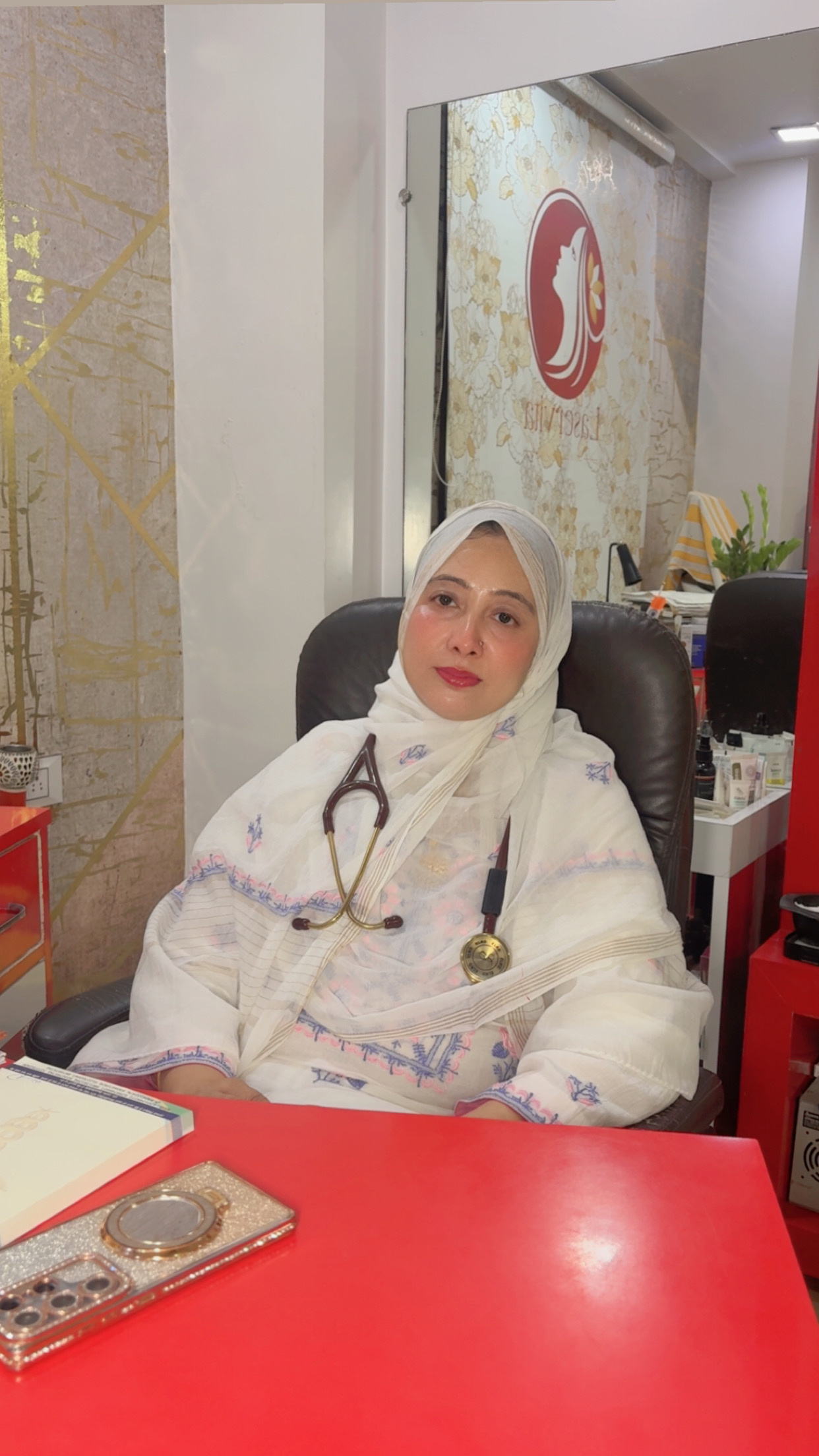
 Dr. Farheen Jamal
Finding the right acne doctor in Patna can make an important difference when acne keeps returning, becomes painful, or starts leaving dark marks and scars. While occasional pimples may improve with basic skincare, persistent or inflammatory acne often needs professional assessment to understand its severity and the most appropriate treatment options.
A dermatologist can evaluate your skin, review your acne history, identify factors that may be contributing to breakouts, and create a treatment plan based on your individual needs. The right approach may include prescription skincare, medicines, lifestyle guidance, procedures, or a combination of treatments depending on the type and severity of acne.

Why Choosing the Right Acne Doctor Matters
Acne is one of the most common skin concerns, but it does not look or behave the same way in every person. Some people may have occasional blackheads and whiteheads, while others may experience inflamed pimples, nodules, cysts, pigmentation, or acne scars.
The IADVL acne guide explains that acne can be influenced by factors such as increased oil production, blocked hair follicles, inflammation and hormonal influences.
Because acne can have different patterns and levels of severity, selecting an acne doctor in Patna who can assess your individual condition is generally more useful than choosing treatment based only on advertisements, social media recommendations, or products promoted for quick results.
A qualified dermatologist can help determine whether you need simple medical treatment, a longer-term acne management plan, or additional treatment for marks and scars after active acne is controlled.
When Should You Consult an Acne Doctor in Patna?
You may want to consult a dermatologist when acne is persistent, frequently returns, becomes painful, spreads to multiple areas, or does not improve with basic skincare. Professional evaluation can also be useful when acne is affecting your confidence or leaving visible marks.
Consider booking a dermatology consultation if you experience:
- Frequent or persistent breakouts
- Large, painful or inflamed pimples
- Acne that keeps returning despite skincare
- Dark marks after pimples heal
- Indented or raised acne scars
- Acne affecting the face, chest, shoulders or back
- Acne that appears to be associated with hormonal changes
- Skin irritation from repeated use of acne products
Persistent acne should not always be treated by repeatedly changing over-the-counter products. A dermatologist can assess the condition and help determine which treatment approach may be appropriate.
What to Look for in an Acne Doctor in Patna
1. Check Dermatology Qualifications
Qualifications should be one of the first factors you consider when selecting an acne doctor. Dermatologists receive specialized medical training to diagnose and manage diseases and conditions affecting the skin, hair and nails.
When researching a doctor, look for clear information about medical education, dermatology qualifications and professional experience. You can also refer to the IADVL dermatologist directory as one professional resource when researching dermatology providers in India.
2. Consider Experience With Acne
Acne treatment involves more than simply reducing visible pimples. A dermatologist may need to consider the type of acne, severity, duration, previous treatments, skin sensitivity, pigmentation and risk of scarring.
When selecting an acne doctor in Patna, consider whether the doctor has experience managing different forms of acne and related concerns such as post-acne marks and scars.
3. Look for a Detailed Skin Assessment
A good acne consultation should begin with an assessment rather than immediately recommending a procedure or skincare product.
Your dermatologist may ask about when your acne started, previous treatments, current medicines, skincare products, allergies and possible triggers. Your skin may then be examined to determine the type and severity of acne.
This information can help the dermatologist decide which treatment options are suitable for your particular condition.
4. Ask About a Personalized Treatment Plan
There is no single acne treatment that works in exactly the same way for everyone. Your treatment plan may depend on your age, acne severity, skin type, previous treatment response and whether you have active acne, pigmentation or scarring.
A personalized plan may include topical treatments, oral medicines, skincare recommendations, lifestyle guidance or procedures when clinically appropriate.
The goal should be to manage active acne while also considering the risk of marks and scars over time.

What Happens During an Acne Consultation?
Knowing what to expect can make your first appointment less stressful. An acne consultation usually begins with a discussion about your skin concerns and treatment history.
Medical and Acne History
The dermatologist may ask when your acne began, how frequently you experience breakouts, whether the acne is painful, and whether you have tried medicines or skincare products previously.
You should mention any prescription medicines, supplements, allergies or previous dermatology treatments that may be relevant.
Skin Examination
The dermatologist may examine your face and other affected areas to understand the pattern and severity of acne. They may also look for post-inflammatory pigmentation, scarring, irritation or other skin concerns.
Treatment Discussion
After assessing your skin, the dermatologist can explain appropriate treatment options. Depending on the condition, treatment may involve medicines, skincare, procedures or a combination of approaches.
You should feel comfortable asking about expected treatment duration, possible side effects, follow-up requirements and approximate costs before starting treatment.
Common Acne Treatment Options
The appropriate acne treatment depends on the individual's condition. Treatment should be selected after professional assessment rather than based solely on online recommendations.
Topical Acne Treatments
Topical medicines and skincare products may be recommended for certain types of acne. Depending on the diagnosis, these may target blocked pores, inflammation, excess oil production or acne-causing factors.
Your dermatologist can advise you about how frequently a product should be used and how to reduce irritation when necessary.
Oral Medicines
Moderate to severe acne may sometimes require prescription medicines. The choice of medicine depends on the individual's condition, medical history and other relevant factors.
Prescription acne medicines should be used under appropriate medical supervision rather than self-prescribed.
Procedural Acne Treatments
Some patients may require procedures as part of their acne or post-acne treatment plan. The suitability of a procedure depends on factors such as the condition being treated, skin type and severity.
Procedures may be considered for selected acne-related concerns after a dermatologist has evaluated the skin.
Acne Treatment and Acne Scars Are Not the Same
One important reason to choose the right acne doctor is to distinguish between active acne and acne scars. Treating active breakouts and treating established scars are often different steps.
Active acne should generally be addressed before focusing heavily on scar correction. Once acne is controlled, a dermatologist can assess the type of scars that remain and discuss appropriate options.
If you are already dealing with acne scarring, you can learn more about acne scar surgery treatment in Patna and the approaches available for selected acne-scar concerns.
How Acne Marks Differ From Acne Scars
Acne marks and acne scars are often used interchangeably, but they are not necessarily the same problem.
Dark or red marks may remain after an acne lesion heals without causing a permanent change in skin texture. Acne scars, on the other hand, can involve changes in the skin's texture or structure.
This distinction matters because the treatment approach may be different. A dermatologist can assess whether you have active acne, pigmentation, textural scarring or a combination of these concerns.
For pigmentation concerns after acne, you can also explore pigmentation treatment by a dermatologist in Patna.
Questions to Ask Your Acne Doctor in Patna
Preparing questions before your consultation can help you understand your treatment plan and make informed decisions.
- What type and severity of acne do I have?
- What could be contributing to my breakouts?
- Which treatment options are suitable for my skin?
- How long might treatment take?
- Will I need prescription medicines?
- Could the treatment cause dryness or irritation?
- How can I reduce the risk of acne scars?
- Do I need follow-up appointments?
- Are procedures necessary in my case?
- What skincare products should I use or avoid?
How to Evaluate an Acne Clinic in Patna
The clinic itself is another factor worth considering. Look for a professional environment where your concerns can be discussed privately and treatment recommendations are explained clearly.
When comparing clinics, consider:
- Availability of a qualified dermatologist
- Relevant experience with acne and acne-related concerns
- Clear consultation and treatment information
- Appropriate dermatology equipment when procedures are recommended
- Transparent discussion of treatment costs
- Availability of follow-up care
- Realistic communication about expected outcomes
Avoid selecting a clinic solely because it advertises guaranteed results or extremely fast acne clearance. Individual response to treatment can vary.
Why Follow-Up Care Matters for Persistent Acne
Acne treatment is not always a one-time process. Depending on the condition and treatment selected, your dermatologist may want to review your progress and adjust your treatment plan.
Follow-up appointments can help assess how your skin is responding, identify unwanted irritation, and determine whether the treatment needs to be continued, changed or adjusted.
For persistent acne, consistency can be important. Stopping treatment prematurely or frequently switching between products without professional guidance may make it harder to determine what is helping your skin.
Skincare Tips While Managing Acne
Your dermatologist may recommend a skincare routine that supports your acne treatment. In general, avoid repeatedly scrubbing or irritating acne-prone skin.
The IADVL skin-care guidance provides general information about basic skin care and maintaining healthy skin.
Depending on your dermatologist's advice, your routine may focus on gentle cleansing, suitable moisturization and sun protection. The specific products should be selected according to your skin type and treatment plan.
When Acne Needs More Than Home Skincare
Trying a basic skincare routine can be reasonable for occasional mild breakouts, but persistent or inflammatory acne may require professional assessment.
If acne continues despite consistent skincare, becomes painful, leaves marks, or starts producing scars, consider consulting an acne doctor in Patna instead of repeatedly changing products.
Professional evaluation can also help rule out other conditions that may look similar to acne and require a different treatment approach.

Why Personalized Acne Treatment Can Be Important
Every patient's acne history is different. A treatment that works well for one person may not be appropriate for another because of differences in skin type, acne severity, medical history, previous treatment and individual response.
This is why an acne consultation should focus on understanding your skin rather than simply selecting the most popular acne treatment.
At Laservita Skin Clinic, patients can discuss acne and other dermatological concerns with a skin specialist and explore treatment options based on their individual needs.
How to Choose the Right Acne Doctor in Patna: Quick Checklist
| Factor | What to Consider |
|---|---|
| Qualification | Check medical and dermatology qualifications. |
| Experience | Consider experience with persistent acne and related concerns. |
| Assessment | Look for a consultation that includes proper skin evaluation. |
| Treatment plan | Ask whether treatment is personalized to your condition. |
| Follow-up | Understand how treatment progress will be monitored. |
| Cost | Ask about consultation, medicines, procedures and follow-up costs. |
| Expectations | Choose a doctor who explains realistic treatment outcomes. |
Final Thoughts
Choosing the right acne doctor in Patna involves more than searching for the doctor with the most reviews or the lowest treatment price. Qualifications, relevant experience, detailed skin assessment, personalized treatment planning and follow-up care are important factors to consider.
If your acne is persistent, painful, frequently returning, or leaving marks and scars, professional dermatological assessment may help you understand your condition and available treatment options.
The right acne treatment depends on your individual skin, so avoid comparing your treatment plan directly with someone else's. A qualified dermatologist can assess your acne and recommend an approach that is appropriate for your condition.
If you are looking for professional acne care in Patna, you can explore dermatology services at Laservita Skin Clinic and discuss your skin concerns with a dermatologist.
Frequently Asked Questions
Look for a qualified dermatologist with relevant experience in managing acne, a thorough consultation process, personalized treatment planning and appropriate follow-up care.
Consider consulting a dermatologist when acne continues to return, becomes painful or inflamed, does not improve with basic skin care, or begins leaving dark marks or scars.
A dermatologist may assess the type and severity of acne, review your medical and treatment history, examine your skin and recommend suitable treatment options based on your individual condition.
Yes. Dermatologists can evaluate persistent acne and may recommend topical medicines, oral medicines, procedures or combinations of treatments depending on the severity and individual needs.
Inflammatory and severe acne can increase the risk of post-acne scarring. Early and appropriate treatment may help reduce the risk of long-term scarring.
Tell the dermatologist when your acne started, previous treatments you have tried, current medicines and skincare products, allergies, possible triggers and whether you are experiencing painful acne or scarring.
Yes. A dermatologist can distinguish active acne from post-acne marks and scars and recommend an appropriate treatment plan for each concern.
Treatment duration varies depending on acne type, severity, treatment selected and individual response. Your dermatologist can provide a more appropriate timeline after assessing your skin.
Related Treatments & Services
Dr. Farheen Jamal
Dermatologist & Skin Specialist
Dr. Farheen Jamal is a dermatologist and skin specialist providing personalized care for pigmentation, melasma, acne, hair and skin concerns. She focuses on individualized diagnosis and evidence-based dermatological treatment tailored to each patient's skin type and condition.