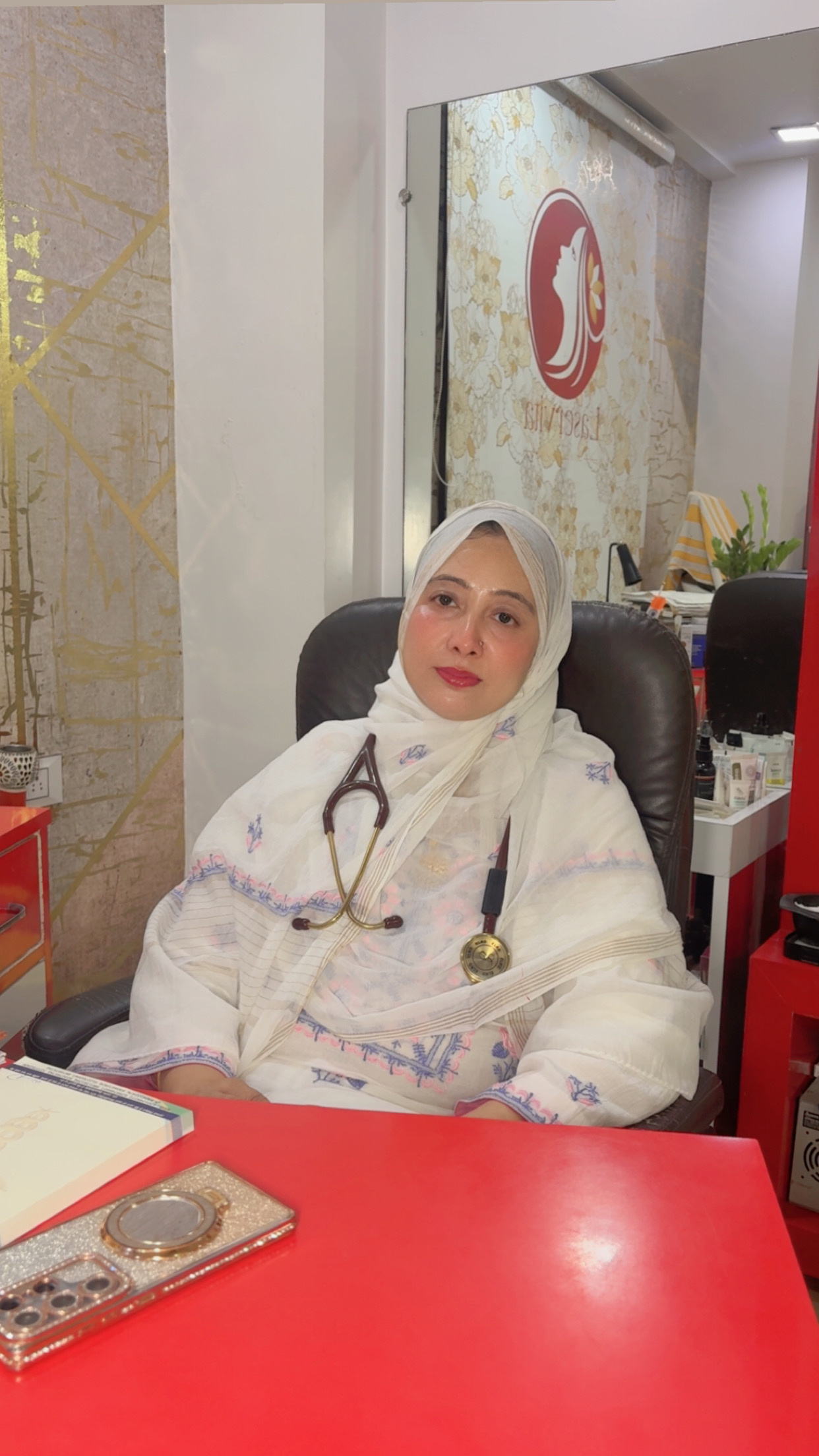
 Dr. Farheen Jamal
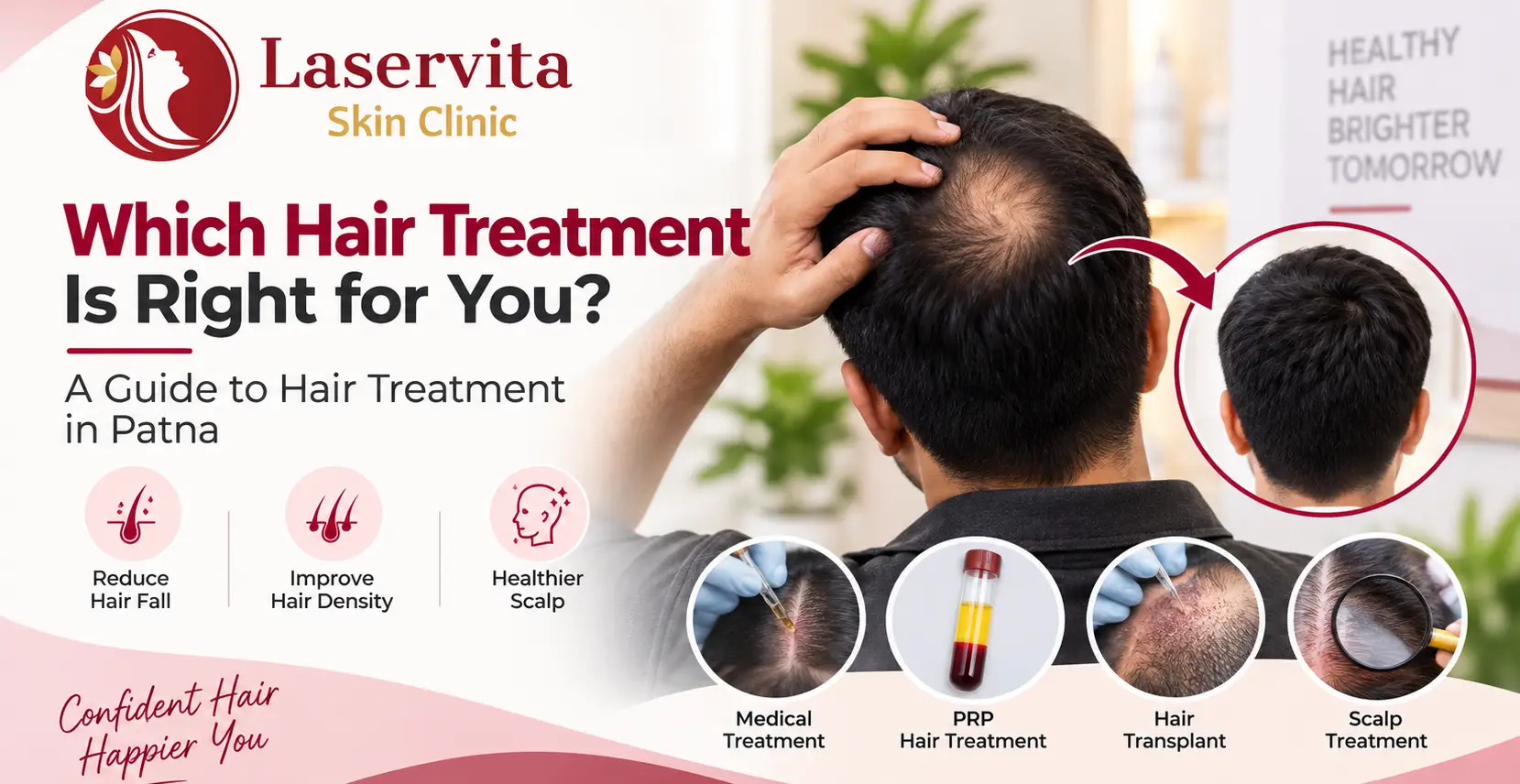
Hair fall, thinning hair, dandruff and scalp problems can affect people of different ages and may have very different causes. If you are searching for hair treatment in Patna, the first step is understanding why the hair problem is occurring rather than choosing a treatment based only on advertisements or social media recommendations.
A dermatologist can assess your hair and scalp, review your medical history and identify factors that may be contributing to hair loss or other scalp concerns. You can also explore dermatologist consultation in Patna to understand when professional skin, hair and scalp evaluation may be appropriate.
This guide explains common hair and scalp concerns, different treatment approaches, factors that influence treatment selection and what you should discuss with a dermatologist before starting a hair treatment plan.

Why Does Hair Fall Happen?
Hair fall is not always caused by the same condition. Hereditary hair loss, hormonal factors, illness, nutritional deficiencies, certain medicines, scalp disorders, stress-related shedding and autoimmune conditions can all be associated with hair loss.
For example, androgenetic alopecia is a common form of hair loss in both men and women. In men, it may appear as a receding hairline or thinning around the crown, while women may notice gradual thinning over the top of the scalp or a widening hair part.
Other conditions can produce different patterns. Alopecia areata may cause round or patchy areas of hair loss, while temporary shedding can occur after events such as illness, childbirth or significant physical stress.
Because the causes are different, the appropriate treatment can also be different. The IADVL hair-loss guide explains that dermatologists assess the history and clinical pattern of hair loss and may use examination techniques such as dermoscopy to help identify the cause.
What Are the Common Hair Treatment Options in Patna?
The appropriate hair treatment in Patna depends on the diagnosis, severity of hair loss, scalp condition, medical history and individual treatment goals. Some people may need medicines or changes in hair-care practices, while selected patients may be considered for procedures.
1. Medical Treatment for Hair Loss
Medicines may be recommended for certain types of hair loss after a dermatologist has assessed the condition. For example, topical minoxidil may be used for selected forms of patterned hair loss. Treatment duration and suitability vary between individuals.
It is important not to start prescription medicines or hair-loss medicines without professional advice. Some treatments have specific precautions, side effects or restrictions, particularly for people who are pregnant, planning pregnancy or taking other medicines.
2. PRP Hair Treatment
Platelet-rich plasma, commonly called PRP, is a procedure in which a patient's blood is processed to obtain platelet-rich plasma, which is then injected into selected areas of the scalp. PRP may be considered for certain types of hair loss.
PRP is not appropriate for every cause of hair loss, and the expected response can vary. A dermatologist should first determine whether the underlying condition is suitable for this type of treatment.
The IADVL hair-loss information includes PRP among treatment options that may be considered for selected hair-loss conditions.

3. Hair Transplantation
Hair transplantation may be considered for selected patients with areas of permanent thinning or baldness, particularly in certain forms of pattern hair loss. During a hair transplant, hair follicles are taken from a donor area and placed into areas requiring coverage.
A hair transplant is a surgical procedure and requires appropriate evaluation of the donor area, degree of hair loss, expected progression and individual suitability. It should not be considered a universal solution for every type of hair loss.
4. Treatment for Scalp Conditions
Sometimes the main problem is not hair loss itself but an underlying scalp condition. Dandruff, inflammation, infection and other scalp disorders can cause itching, scaling, irritation or changes in hair shedding.
In these situations, treating the scalp condition may be an important part of the overall hair-care plan. The treatment can vary depending on whether the underlying problem is inflammatory, infectious or related to another dermatological condition.
5. Hair-Care and Lifestyle Changes
Hair-care habits can also influence hair and scalp health. Excessive heat styling, harsh chemical treatments, tight hairstyles and aggressive handling may contribute to hair damage or breakage.
The IADVL hair-care guidance recommends adapting hair washing and care practices according to scalp and hair type, avoiding excessive heat and avoiding hairstyles that place continuous pulling force on the scalp.
How to Choose the Right Hair Treatment?
Choosing a hair treatment should begin with identifying the underlying problem. A treatment that may be useful for hereditary hair loss may not be suitable for sudden shedding, alopecia areata or a scalp infection.
Start With a Proper Hair and Scalp Assessment
A dermatologist may ask when your hair loss started, whether it developed gradually or suddenly, whether other family members have similar hair loss and whether you have experienced recent illness, surgery, childbirth, major stress or changes in medication.
The scalp and hair can then be examined to understand the pattern of hair loss. In selected cases, additional tests may be recommended if the history or examination suggests nutritional, hormonal, inflammatory or other medical factors.
Consider the Cause Before the Procedure
It is important to understand the difference between treating a symptom and treating its cause. For example, someone with hereditary hair loss may require a long-term management plan, while someone experiencing temporary shedding after an illness may have a different treatment approach.
This is why a personalized consultation is more useful than choosing a procedure simply because it is popular.
Ask About Expected Results
Hair treatments generally require realistic expectations. Depending on the condition and treatment, visible improvement may take several months, and some treatments need to be continued to maintain their effect.
The IADVL notes that treatment response varies and that not every type of hair loss can be treated in the same way. This makes diagnosis and individualized treatment planning important.

Hair Treatment for Different Hair Concerns
| Hair or Scalp Concern | Possible Approach | Why Assessment Matters |
|---|---|---|
| Gradual hair thinning | Medical treatment or other options depending on diagnosis | The pattern may indicate hereditary or hormonal factors |
| Sudden hair shedding | Identify and address the underlying trigger | Recent illness, stress, childbirth or other factors may be relevant |
| Patchy hair loss | Condition-specific dermatological treatment | Patchy loss may have different causes, including alopecia areata |
| Dandruff and scalp irritation | Scalp-focused medical treatment and hair-care changes | The underlying scalp condition needs to be identified |
| Advanced pattern hair loss | Medical management and, in selected cases, hair restoration options | Donor-area quality and degree of hair loss influence suitability |
When Should You See a Hair Specialist?
You may want to consult a dermatologist if hair fall continues for an extended period, becomes noticeably worse, creates visible thinning or bald patches, or occurs together with scalp symptoms such as persistent itching, scaling, redness or inflammation.
Professional assessment can also be useful if hair loss begins suddenly or follows a significant medical event. Early evaluation can help identify conditions that may benefit from treatment or monitoring.
According to IADVL patient guidance, identifying the cause of hair loss is an important part of selecting an appropriate treatment. The organization also advises consulting a dermatologist when you are concerned about thinning hair or hair loss.
What Happens During a Hair Treatment Consultation?
A hair and scalp consultation generally starts with a discussion of your symptoms and medical history. Your dermatologist may ask about the duration and pattern of hair fall, family history, previous treatments, medicines, diet, recent illnesses and hair-care practices.
The doctor may then examine your scalp and hair. Depending on the findings, further evaluation may sometimes be required.
After assessment, the dermatologist can explain the likely cause, suitable treatment options, expected timeline, possible side effects and follow-up requirements.
This approach helps ensure that the treatment is selected according to your specific condition rather than using the same procedure for everyone.
Factors That Can Affect Hair Treatment Cost in Patna
The cost of hair treatment in Patna can vary considerably because different patients may require different types of treatment. Consultation fees, medicines, procedures, number of sessions and follow-up requirements can all influence the overall cost.
For procedural treatments such as PRP or hair restoration, the total expense may also depend on the number of sessions or the extent of treatment required.
For this reason, it is better to discuss the complete treatment plan and expected costs during consultation instead of comparing only the price of an individual procedure.
How to Prepare for Your Hair Consultation
- Note when you first noticed hair loss or thinning.
- Take photographs of your scalp if the hair loss has changed over time.
- Tell your dermatologist about previous hair treatments and medicines.
- Mention recent illness, surgery, childbirth or major lifestyle changes.
- Share information about your family history of hair loss.
- Discuss your regular hair-care routine and chemical treatments.
- Ask about expected results, treatment duration and follow-up.
Hair Care Tips for Healthier Hair
Good hair care can help reduce avoidable hair damage, although hair-care changes alone cannot treat every medical cause of hair loss.
Use hair products appropriate for your scalp and hair type, avoid excessive heat, handle wet hair gently and avoid hairstyles that continuously pull on the scalp. If you regularly use chemical treatments such as straightening, bleaching or colouring, appropriate aftercare is important.
A balanced diet that provides adequate protein and essential nutrients also supports general hair health. However, supplements such as iron, zinc or biotin should not automatically be taken for hair loss without identifying whether a deficiency is present.
For more detailed patient guidance, read the IADVL Hair Care Basics.
Why Personalized Hair Treatment Matters
There is no single hair treatment that is suitable for everyone. Two people may both report hair fall but have completely different underlying conditions.
One person may have hereditary thinning, another may have temporary shedding after illness, while another may have a scalp disorder or patchy autoimmune hair loss. Their treatment plans can therefore be very different.
A personalized approach considers the diagnosis, severity, medical history, age, treatment goals and practical requirements before recommending a treatment.
If you are researching dermatology care in Patna, you can also visit Laservita Skin Clinic to learn more about available skin and hair-related dermatology services.
Questions to Ask Before Starting Hair Treatment
- What is the likely cause of my hair loss?
- Do I need any additional tests?
- Which treatment options are suitable for my condition?
- How long might treatment take?
- How many sessions may be required if a procedure is recommended?
- What side effects or precautions should I know about?
- Will the treatment need to be continued long term?
- What should I expect during follow-up?
Final Thoughts
Choosing the right hair treatment in Patna starts with understanding the cause of your hair or scalp concern. Hair loss can result from hereditary, hormonal, nutritional, inflammatory, autoimmune and other factors, so treatment should be selected after appropriate assessment.
Depending on the diagnosis, a dermatologist may consider medical treatment, scalp care, PRP, light-based treatment, hair transplantation or other options. The most suitable approach depends on your individual condition and treatment goals.
If you are experiencing persistent hair fall, progressive thinning, bald patches or ongoing scalp symptoms, consider consulting a qualified dermatologist for an appropriate evaluation and personalized treatment plan.
Frequently Asked Questions
The right hair treatment depends on the cause of the hair or scalp problem, its severity, your medical history and your treatment goals. A dermatologist can assess the condition and recommend an appropriate treatment plan.
Consider consulting a dermatologist if you notice persistent hair fall, progressive thinning, bald patches, scalp itching or scaling, sudden shedding, or other changes that do not improve with routine hair care.
Hair loss can have several causes, including hereditary factors, hormonal changes, illness, nutritional deficiencies, scalp conditions, certain medicines, physical or emotional stress and some autoimmune conditions.
Treatment depends on the underlying cause and may include medicines, scalp treatments, lifestyle or hair-care changes, procedures such as PRP in selected cases, or hair restoration procedures when appropriate.
PRP may be considered for selected types of hair loss. A dermatologist should assess the cause and suitability before recommending PRP because it is not appropriate for every hair-loss condition.
Treatment outcomes vary according to the cause, severity and individual response. Some conditions can be controlled or improved with appropriate treatment, while others may require long-term management.
Hair treatment costs vary according to the diagnosis, treatment method, number of sessions, medicines, procedures and individual treatment requirements. A consultation can help determine the appropriate treatment and expected cost.
Yes. Dermatologists can evaluate scalp conditions such as dandruff, inflammation, infections and other scalp problems that may contribute to hair or scalp symptoms.
Consider the specialist's dermatology qualifications, experience with your specific hair or scalp concern, diagnostic approach, treatment options, safety practices, follow-up care and whether the treatment plan is personalized.
Related Treatments & Services
Dr. Farheen Jamal
Dermatologist & Skin Specialist
Dr. Farheen Jamal is a dermatologist and skin specialist providing personalized care for pigmentation, melasma, acne, hair and skin concerns. She focuses on individualized diagnosis and evidence-based dermatological treatment tailored to each patient's skin type and condition.